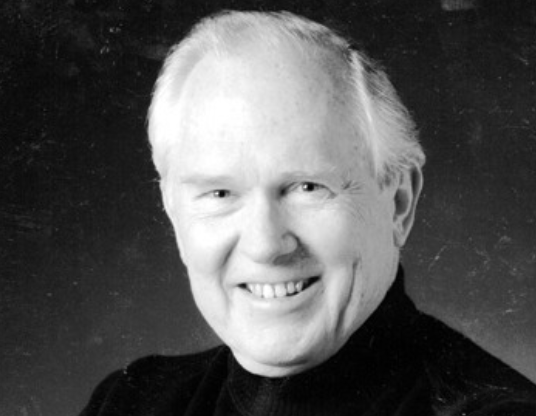
The global music community is mourning the loss of H. Robert Reynolds, a towering figure in American music whose influence shaped generations of performers, conductors, and educators. Reynolds died on January 30 at the age of 91, leaving behind a legacy defined by artistic excellence, intellectual rigor, and an unwavering commitment to music education.
Born in Canton, Ohio, Reynolds’ journey in music would take him from promising student to one of the most respected leaders in wind ensemble performance and conducting pedagogy. His career spanned decades and institutions, but at its core was a singular mission: to elevate the wind ensemble to its highest artistic potential while cultivating thoughtful, expressive musicians.
Reynolds is perhaps best known for his transformative tenure at the University of Michigan School of Music, Theatre & Dance, where he served as Director of Bands and Chair of the Conducting Department from 1975 to 2001. An alumnus of the University of Michigan himself, Reynolds returned to his alma mater with a clear vision and an uncompromising standard of excellence. Under his leadership, the band and conducting programs achieved national and international prominence, becoming models for collegiate wind programs across the country.
During his more than two decades in Ann Arbor, Reynolds was widely admired for his meticulous rehearsal techniques, deep musical insight, and expressive interpretive style. He championed both traditional and contemporary wind repertoire, encouraging composers, expanding programming possibilities, and demanding the highest levels of musicianship from his ensembles. Colleagues and students alike recall his ability to shape sound with precision while never losing sight of the emotional and artistic intent behind the music.
Beyond the podium, Reynolds was a devoted educator and mentor. He believed profoundly in the responsibility of teachers to inspire curiosity, discipline, and artistic integrity. Thousands of students passed through his classrooms and rehearsals, many of whom went on to distinguished careers as conductors, performers, and educators themselves. His pedagogical influence extended far beyond the University of Michigan, reaching music programs across the United States and around the world.
Later in his career, Reynolds continued his work as a master teacher, serving as the H. Robert Reynolds Professor of Wind Conducting at the Thornton School of Music at the University of Southern California. There, he once again left a lasting impression, guiding emerging conductors and reinforcing his reputation as a visionary leader in the field. Even in his later years, Reynolds remained deeply engaged with music, maintaining a sharp intellect and an enduring passion for teaching.
Throughout his life, Reynolds was celebrated not only for his musical achievements but also for his integrity, humility, and dedication to the art form. He was a tireless advocate for wind music and a firm believer in its power to move, challenge, and unite audiences and performers alike.
As the music world reflects on his passing, tributes continue to pour in from former students, colleagues, and institutions shaped by his work. His influence will live on in rehearsal halls, concert stages, and classrooms wherever wind music is studied and performed.
The University of Michigan, alongside countless musicians and educators worldwide, extends its deepest condolences to H. Robert Reynolds’ family, friends, and former students. His legacy as a transformative conductor, educator, and champion of wind ensemble music will endure for generations to come.
Leave a Reply